Toyota Hybrid vs. Lexus Hybrid
What's the difference
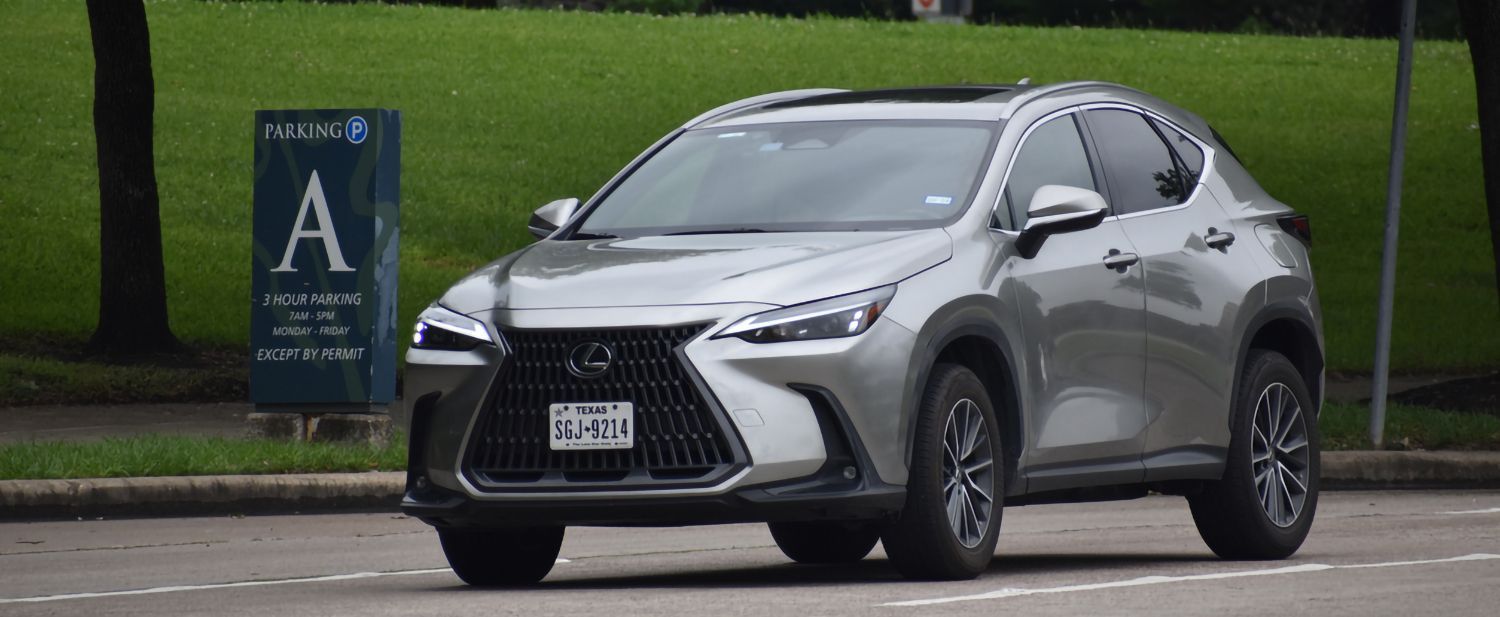
If you've driven both a Toyota hybrid and a Lexus hybrid, you've probably noticed they don't feel quite the same — even when the underlying technology is nearly identical. We get this question a lot from customers cross-shopping a Camry Hybrid against an ES 300h, or a RAV4 Hybrid against an NX 350h. Here's the honest answer, from the people who work on both every day.
They Share the Same DNA
Toyota and Lexus hybrids are built on the same foundation: Toyota's Hybrid Synergy Drive system, which pairs a gasoline engine with one or more electric motors and a battery pack. The core components — the power split device, the hybrid battery, the inverter — are engineered by the same parent company and often share parts across model lines. If you're comparing a Highlander Hybrid to an RX 350h, you're looking at closely related mechanical platforms under the skin.
So when someone tells you Lexus hybrids are "totally different" from Toyota hybrids, that's not quite right. The difference isn't in the basic engineering — it's in how that engineering gets tuned and finished.
Where the Difference Actually Shows Up
Refinement and sound isolation. Lexus spends more time and money isolating the cabin from engine noise, especially during the gas engine's start-stop cycles that are a normal part of hybrid operation. In a Toyota, you'll hear the engine kick in. In a Lexus, that same event is engineered to be far quieter.
Drive tuning. Lexus hybrids are generally tuned for a smoother, more gradual power delivery, while Toyota hybrids are tuned more for efficiency and responsiveness. Neither is "better" — they're built for different priorities.
Battery and inverter placement/cooling. Some Lexus hybrid models use more sophisticated cooling for the hybrid battery and power electronics, which can affect long-term component life and the type of service those parts eventually need.
Cost of parts and labor. This is the one that surprises people. Lexus hybrid components — batteries, inverters, sensors — are frequently the same or nearly the same parts as their Toyota counterparts, but priced at Lexus levels through the dealer parts channel. This is exactly where an independent shop that knows both platforms can save you real money without cutting corners.
What This Means for Maintenance
Because the core hybrid systems are so closely related, the maintenance philosophy is the same across both brands:
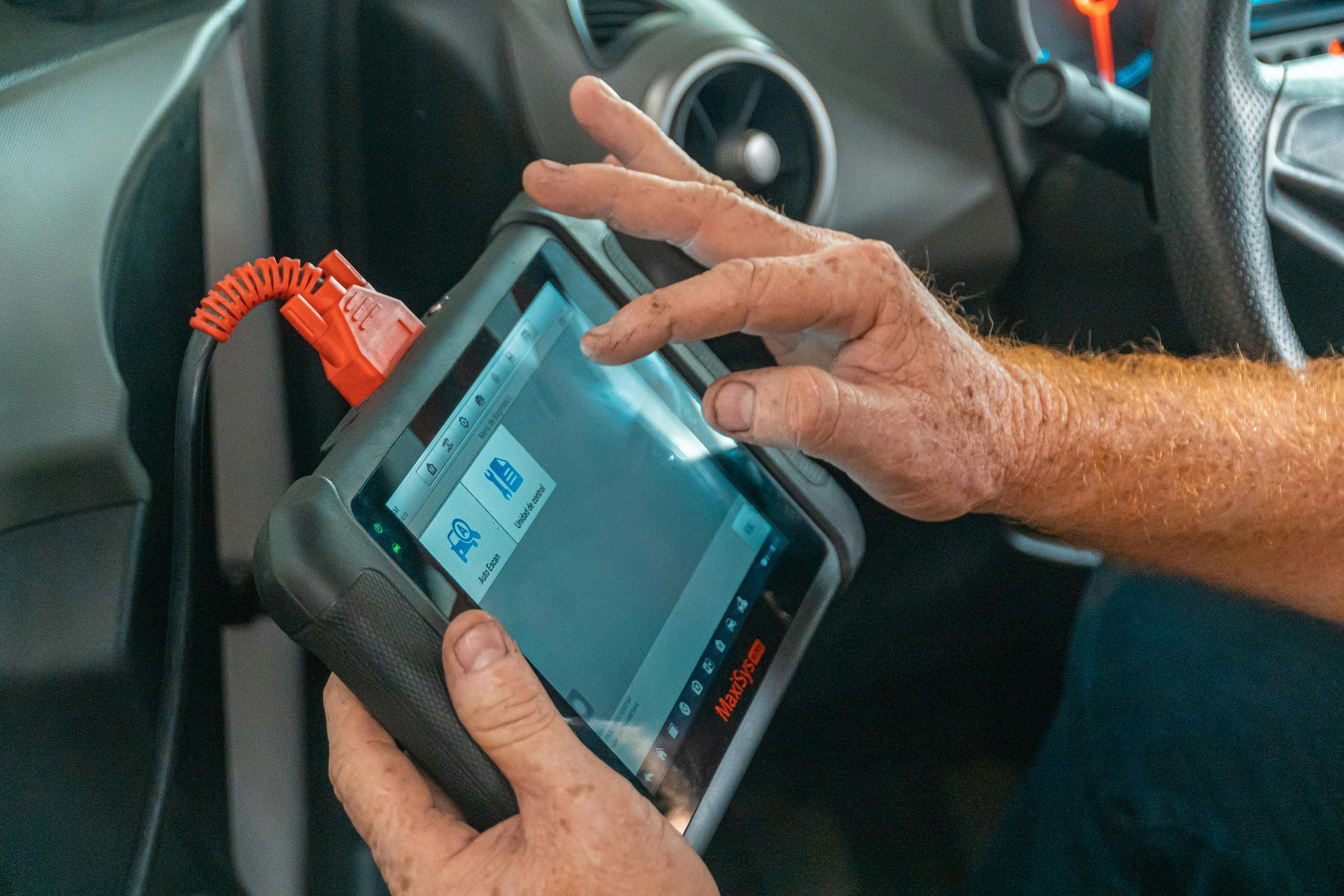
- Hybrid battery health checks should be part of routine service, especially past 100,000 miles
- Inverter coolant is a separate cooling loop from your engine coolant and is often overlooked — it has its own service interval
- 12-volt auxiliary battery issues are a common misdiagnosis point, since a failing 12V battery can mimic hybrid system problems
- Brake system behavior differs from a conventional car due to regenerative braking, which changes wear patterns and what a healthy brake system looks like
Whether you're driving a Prius, a Camry Hybrid, an ES 300h, or an RX 450h, these are the systems we're checking and maintaining every day.
Why It Matters Where You Get It Serviced
A shop that only sees the occasional hybrid will treat every hybrid the same way. A shop that works on Toyota and Lexus hybrids daily understands the specific tuning, part numbers, and failure points for each model — and can tell you honestly when a repair is model-specific versus when it's shared across both brands.
That's the kind of specialized, dealership-level knowledge we bring to every hybrid that comes through our shop — without the dealership price tag.
Have a Toyota or Lexus hybrid due for service, or noticing something that doesn't feel right?
Give us a call or book an appointment online, and we'll take a look with the same attention to detail we'd want for our own vehicles.