Is Your Toyota or Lexus Ready for Cooler Weather in Central Texas?
A few simple maintenance checks can help keep your vehicle running reliably as temperatures change.
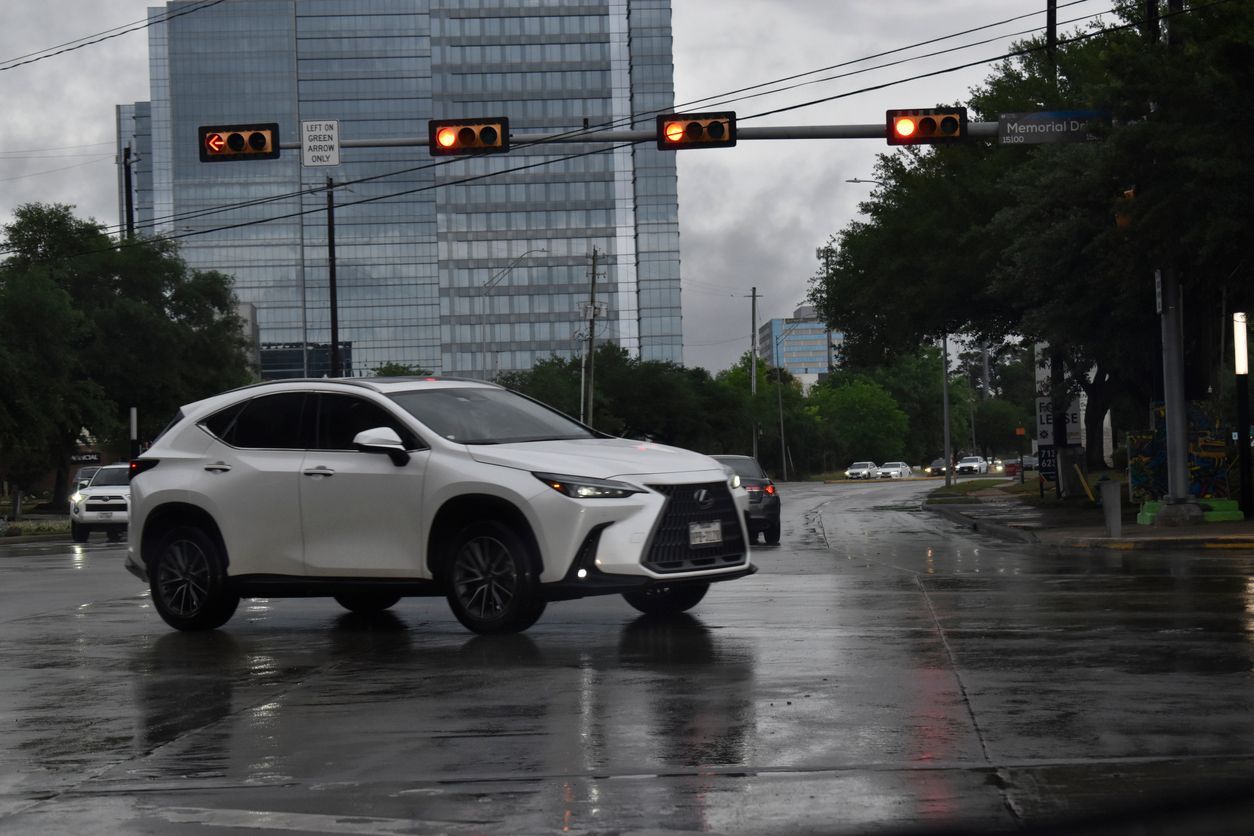
Fall in Central Texas can be a little unpredictable. One afternoon you're running the air conditioning, and the next morning you're reaching for a jacket. While we don't deal with months of freezing temperatures like some parts of the country, those occasional cold fronts can still affect your vehicle.
Toyota and Lexus vehicles are known for their reliability, but even a well-maintained vehicle can develop problems when temperatures change. Batteries, tires, cooling systems, and other components all deserve a little attention as we head into the cooler months.
Whether you're driving a Tacoma, 4Runner, Tundra, Camry, RAV4, or Lexus, here are a few things worth checking before winter arrives.
1. Can Cooler Weather Affect Your Toyota or Lexus Battery?
Absolutely. In fact, the first cold morning of the season is often when a weakening battery starts showing signs of trouble.
Cold temperatures slow the chemical reactions inside a conventional 12-volt automotive battery, reducing its ability to deliver the power needed to start your engine. At the same time, colder engines can require more effort to crank.
In Central Texas, the combination of summer heat and occasional winter freezes can be particularly hard on batteries. Prolonged exposure to high temperatures accelerates battery deterioration, and cooler weather can reveal a battery that's already nearing the end of its useful life.
Signs your battery may need attention include:
- The engine cranks more slowly than usual.
- Your vehicle occasionally struggles to start.
- Headlights dim noticeably during startup.
- You notice corrosion around the battery terminals.
- Your battery is several years old and hasn't been tested recently.
A battery test can help determine whether your battery is still healthy or beginning to lose capacity.
Our advice: If your Toyota or Lexus has been starting a little slower lately, don't wait until it refuses to start. Have the battery and charging system checked so you know what condition they're in.
2. Why Does Tire Pressure Drop When Temperatures Fall?
You may have noticed your tire pressure warning light coming on after a cold front moves through New Braunfels. This is fairly common, and it doesn't necessarily mean you have a flat tire.
As the air inside your tires cools, its pressure decreases. As a general rule, tire pressure changes by approximately 1 PSI for every 10°F change in temperature.
For example, a 30-degree temperature drop can reduce tire pressure by roughly 3 PSI.
Even a small pressure change can affect how your vehicle handles, how evenly your tires wear, and your fuel economy.
What should you check?
- Tire pressure: Check all four tires when they're cold, using the pressure listed on the driver's door-jamb label.
- Tread depth: Make sure your tires have sufficient tread for wet roads.
- Uneven wear: Look for unusual wear patterns that may indicate alignment or suspension concerns.
- Tire condition: Inspect for cracks, bulges, punctures, or other visible damage.
If your tire pressure warning light comes on after a cold morning, check and adjust the pressure before assuming there's a mechanical problem. If the warning continues or one tire repeatedly loses air, have it inspected.
One important reminder: The pressure printed on the tire's sidewall is its maximum rated inflation pressure, not necessarily the correct pressure for your vehicle.
3. Does Your Toyota's Cooling System Still Matter During Winter?
It certainly does.
Your engine's cooling system isn't just there to keep the engine from overheating during a Texas summer. It also helps regulate engine temperature year-round and provides heat for the passenger compartment.
Engine coolant contains additives that help protect internal components from corrosion and, when properly mixed, provide freeze protection.
Even though extended freezing weather is uncommon around New Braunfels, we've seen how quickly Texas temperatures can change.
What should you look for?
A few warning signs can indicate a cooling system problem:
- Coolant levels that repeatedly drop
- Visible coolant leaks beneath the vehicle
- An engine temperature gauge reading higher than normal
- A sweet smell coming from the engine compartment
- Cabin heat that isn't working as expected
Toyota and Lexus vehicles have specific coolant requirements, and the correct type depends on the vehicle's model and year.
Our advice: Don't add an unfamiliar coolant simply because it's the same color as what's already in the reservoir. Different coolant formulations aren't necessarily interchangeable. Consult your owner's manual or have a technician verify the correct specification.
Never remove a radiator cap while the engine is hot. The cooling system can remain under pressure and cause serious burns.
4. How Do Cooler Temperatures Affect Your Toyota's Engine Oil?
Modern Toyota and Lexus engines are designed to operate across a wide range of temperatures, but engine oil still plays an important role during cold starts.
As temperatures fall, engine oil becomes more viscous. Using the correct oil grade helps ensure that oil circulates properly when the engine starts and continues protecting moving components as the engine warms up.
Many newer Toyota and Lexus vehicles specify low-viscosity synthetic oils, but requirements vary by model, engine, and model year.
There's no need to switch to a heavier oil simply because winter is approaching. In fact, using a different viscosity than the manufacturer recommends can affect lubrication and engine operation.
A few things to keep in mind
- Follow the oil viscosity specified for your particular vehicle.
- Stay current with the recommended oil-change interval.
- Check your oil level periodically, especially before a longer trip.
- Pay attention to oil-pressure warnings or unusual engine noises.
If you're approaching your next scheduled oil change, taking care of it before holiday travel is a sensible idea.
5. Are Your Brakes Ready for Wet and Cold Roads?
Central Texas winters tend to bring more concerns about rain, changing road conditions, and occasional freezing weather than prolonged snow.
That's why your brakes and tires deserve attention before the season changes.
Brake pads, rotors, calipers, and brake fluid all contribute to how effectively your vehicle stops. Worn components may become more noticeable when road conditions are less forgiving.
Watch for these warning signs:
- Squealing or grinding when braking
- Vibration through the steering wheel or brake pedal
- A brake pedal that feels unusually soft
- Your vehicle pulling to one side when braking
- Increased stopping distances
If your Toyota or Lexus is showing any of these symptoms, it's worth having the braking system inspected.
Also remember that even a properly functioning braking system can't overcome poor traction. Slow down on wet roads, leave additional following distance, and avoid sudden braking when conditions are slippery.
6. What About Your Windshield Wipers and Visibility?
Windshield wipers are easy to overlook until you need them.
After months of Texas sunshine and heat, rubber wiper blades can become brittle, cracked, or worn. When the first cold rain arrives, you may find that your wipers leave streaks or don't clear the windshield effectively.
Check for:
- Streaking or missed areas during operation
- Chattering or skipping across the glass
- Cracked or damaged rubber
- Low windshield washer fluid
Make sure your washer fluid is appropriate for the temperatures you may encounter. Plain water doesn't provide the same cleaning performance or freeze protection as a properly formulated washer fluid.
It's also a good time to check your headlights, brake lights, and turn signals. Shorter daylight hours mean many drivers spend more time on the road after dark.
7. Should You Have Your Toyota or Lexus Inspected Before Holiday Travel?
If you're planning to visit family over Thanksgiving or take a road trip during the holidays, a basic vehicle inspection can help identify developing problems before you leave.
This is particularly helpful if your vehicle has higher mileage, hasn't been serviced recently, or has started making an unfamiliar noise.
A pre-trip inspection may include checking:
- Battery condition and charging system
- Tire pressure, tread, and overall condition
- Brake wear and operation
- Engine oil and other fluid levels
- Cooling system condition
- Belts, hoses, and visible leaks
- Exterior lighting and windshield wipers
Not every vehicle needs extensive service before winter. The goal is to understand its current condition and address anything that could affect reliability or safety.What About High-Mileage Toyotas and Lexus Vehicles?
Many Toyota and Lexus owners keep their vehicles for well over 100,000 miles, and plenty continue driving them much longer.
As mileage increases, regular inspections become especially valuable.
Rubber hoses, seals, suspension bushings, and other components naturally age over time. Some deteriorate gradually without producing an obvious warning light.
If you drive an older Tacoma, 4Runner, Land Cruiser, Lexus GX, or another high-mileage Toyota or Lexus, staying familiar with your vehicle's maintenance history can help you plan repairs before small issues become larger ones.
That doesn't mean replacing parts simply because they're old. It means inspecting their condition and making informed maintenance decisions.
Frequently Asked Questions About Toyota and Lexus Winter Maintenance
Do Toyota and Lexus vehicles need special winter maintenance in Texas?
Most Toyota and Lexus vehicles don't require extensive winterization for normal Central Texas driving. However, checking the battery, tires, coolant, brakes, and fluid levels is a good idea before colder weather arrives. Always follow the maintenance recommendations for your specific model.
Why does my Toyota's tire pressure light come on when it's cold?
Tire pressure decreases as temperatures fall. A significant overnight temperature drop can cause the tire pressure monitoring system to trigger a warning. Check your tires when they're cold and inflate them to the manufacturer's recommended pressure. If the warning persists, have the system and tires inspected.
How often should I replace my Toyota or Lexus battery?
Battery life varies depending on climate, driving habits, and battery condition. In hot climates like Central Texas, batteries may deteriorate faster than expected. Rather than replacing a battery based only on age, have it tested periodically, especially once it's several years old.
Do I need to change my engine oil before winter?
Not necessarily. If your oil is within its recommended service interval and you're using the manufacturer-specified viscosity, an additional oil change generally isn't needed simply because temperatures are dropping. Follow your vehicle's maintenance schedule.
Is a pre-trip inspection worthwhile for a high-mileage Toyota?
Yes, particularly before a long drive. An inspection can help identify tire wear, fluid leaks, deteriorating belts or hoses, and other issues that may not be obvious during everyday driving.
A Little Preventive Maintenance Goes a Long Way
Cooler weather in Central Texas doesn't usually call for major changes to how you maintain your Toyota or Lexus. Most of the important checks are the same ones that help keep your vehicle dependable throughout the year.
The difference is timing.
Checking your battery, tires, fluids, brakes, and other important components before temperatures drop can help you avoid inconvenient surprises during the holidays.
At Hill Country Yota Works in New Braunfels, we work on Toyota and Lexus vehicles every day, from routine maintenance to more involved diagnostics and repairs.
If you have questions about your vehicle's condition or want to have something checked before your next trip, we're happy to help.
Hill Country Yota Works
533 River City Dr, Suite 103
New Braunfels, TX 78130
(830) 609-9022